Table of Contents
- Why Winter Is the Perfect Time to Visit the Desert
- Hiking Near Palm Desert in Winter
- Palm Desert Golf in Winter
- Outdoor Recreation Beyond Hiking and Golf
- Things to Do in Winter at Night
- Attractions and Family Activities
- Building Your Palm Desert Winter Itinerary
- Practical Winter Travel Tips
- Frequently Asked Questions
Last Updated: October 14, 2026
Why Winter Is the Perfect Time to Visit the Desert
Winter transforms the desert into an ideal destination for outdoor enthusiasts and travelers seeking mild weather. While many regions endure snow and freezing temperatures, the desert offers something different. Cool evenings and sunny days create the perfect balance for exploring. At the Visitor Center for Palm Desert & Palm Springs, we’ve curated a guide to help you discover the best things to do in winter throughout the Coachella Valley.
Winter months bring comfortable daytime temperatures and low rainfall, making outdoor activities more enjoyable than any other season. Hiking trails are less crowded. Golf courses maintain pristine conditions. Attractions operate at full capacity without the summer heat that can exceed 115 degrees. This is when the desert truly shines.
Whether you’re a first-time visitor or a returning snowbird, the region offers diverse recreation options. From scenic trail hikes to championship golf courses, evening entertainment venues to family-friendly attractions, winter provides the ideal window to experience desert recreation at its best.
Hiking Near Palm Desert in Winter
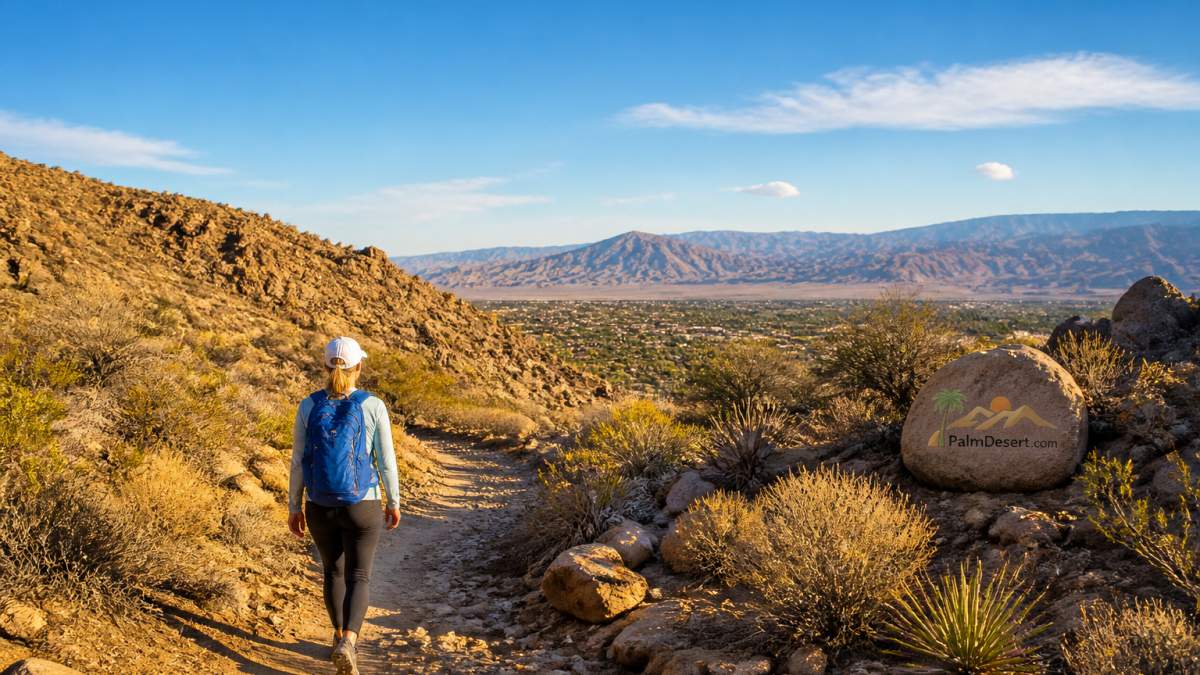
Winter hiking near Palm Desert is exceptional. Temperatures range from the 60s to low 80s during the day, with cool evenings dropping into the 40s and 50s. Trail conditions are stable, with minimal mud or water hazards. This makes winter the premier season for exploring desert trails.
Trail Conditions and What to Expect
Desert trails in winter offer firm, dry ground ideal for hiking. Most trails are well-maintained and clearly marked. Water sources are limited, so carry plenty of hydration. Morning starts are popular, so arrive early for parking and solitude.
Popular hiking near Palm Desert includes options for all skill levels:
- Easy trails: 2-3 miles, flat terrain, minimal elevation gain
- Moderate trails: 4-6 miles, some elevation, scenic views
- Challenging trails: 7+ miles, significant elevation, technical terrain
Trail conditions remain stable throughout winter. Unlike spring, when desert wildflowers bloom but trails become crowded, winter offers solitude and consistent weather. Unlike summer, when heat becomes dangerous, winter provides comfortable exertion levels.
Desert Wildlife and Scenic Views
Winter is prime time for wildlife observation. Desert animals are more active during cool months. Bighorn sheep frequent higher elevations. Desert iguanas and other reptiles remain visible in daytime warmth. Birdwatching is exceptional, with migratory species arriving from colder regions.
Scenic views from desert trails showcase dramatic landscapes:
- Rocky desert terrain with unique geological formations
- Desert vegetation including cacti, creosote bushes, and desert shrubs
- Mountain vistas and distant peaks
- Clear desert skies ideal for stargazing after sunset
The desert landscape shifts with elevation. Lower trails wind through dense vegetation and sandy washes. Higher elevations offer panoramic views across the Coachella Valley. Winter light creates sharp shadows and vivid colors on rock formations.
Palm Desert Golf in Winter
Golf in winter is why many players choose the desert. Championship courses operate at peak condition. Fairways are lush. Greens are responsive. Weather is ideal for 18 holes without heat stress.
Course Conditions and Reservations
Winter courses maintain impeccable conditions. Greens are firm and fast. Fairways are well-watered and vibrant. Rough is maintained precisely. Most courses require advance reservations during peak winter months (December through February).
Book reservations several weeks ahead for premium courses. Many offer online booking systems. Call ahead for tee times and to confirm course conditions. Some courses offer twilight rates in late afternoon, providing value and fewer crowds.
Winter golf conditions vary by course elevation and management:
- Desert courses: typically lower elevation, warmer daytime temps
- Foothill courses: slightly cooler, more dramatic scenery
- Championship courses: tournament-quality conditions year-round
Playing conditions remain consistent throughout winter. Unlike spring, when wind patterns shift, winter offers predictable conditions. Unlike fall, when courses prepare for maintenance, winter courses are in full operation.
Outdoor Recreation Beyond Hiking and Golf
Winter desert recreation extends far beyond hiking and golf. The mild climate enables diverse activities. Active travelers find endless options. Families discover new ways to enjoy outdoor spaces.
Tennis, Pickleball, and Cycling
Tennis courts operate daily with comfortable conditions. Many resorts offer court access. Public courts are available throughout the valley. Winter temperatures are ideal for competitive play without heat exhaustion.
Pickleball has exploded in popularity throughout the desert. Courts are abundant. Many communities offer organized leagues. Beginners and experienced players find compatible skill levels. Games are social and accessible.
Cycling routes range from easy valley paths to challenging mountain roads:
Book Hotels with Exclusive Discounted Rates Now →
- Valley cycling: flat, scenic, beginner-friendly
- Desert loop routes: moderate distance, varied terrain
- Mountain biking: technical trails, stunning views
Stargazing and Desert Landscapes
Winter nights are perfect for stargazing. Desert air is clear and dry. Light pollution is minimal outside developed areas. Stars are vivid and numerous.
The desert landscape provides dramatic backdrops for photography and contemplation. Sunset colors shift across rock formations. Desert vegetation creates silhouettes against twilight skies. Winter light creates sharp contrasts and rich colors.
Plan stargazing sessions after midnight when the Milky Way is highest. Bring a blanket, warm layers, and allow 20-30 minutes for eyes to adjust to darkness. Many parks offer designated viewing areas away from lights.
Things to Do in Winter at Night
Winter evenings in the desert start early, sunset arrives before 5 p.m. in December and January, which means nightlife here begins earlier than visitors expect. Doors at many venues open while it is still light out, and the busiest dinner seatings run from about 5:30 to 7 p.m. Plan your evening around that rhythm rather than a late-city schedule. Transitioning from these early sunsets to stargazing requires the right preparation, so ensure your kit includes essential desert gear to keep you comfortable once the temperature drops.
Live Music and Theater
The valley’s performance calendar concentrates heavily into winter. Touring acts route through the desert between January and March because the weather and the snowbird audience support it, so this is the season when the biggest names appear. Programming generally falls into four tiers:
- Resort and hotel lounges: Nightly soloists, duos, and small jazz or acoustic combos. Usually no cover, first-come seating, and a crowd that skews toward dinner-and-a-drink rather than a full night out.
- Dedicated listening rooms and clubs: Ticketed shows in intimate rooms, often two sets per night on weekends. Tables are frequently reserved with a food-and-beverage minimum rather than a flat ticket price, so ask when you book.
- Mid-size theaters and performing-arts halls: Touring Broadway-style productions, tribute acts, comedy, and dance companies. These are the shows that sell out first during the winter holidays.
- Large arenas and amphitheaters: Stadium-scale touring acts and festivals. Winter is prime season for these, and the outdoor venues are comfortable after dark with a jacket.
A practical pattern that works well: book the early dinner seating, catch a 7 or 7:30 p.m. show, and you are back at your lodging by 10, which matters because evening temperatures drop fast once the sun is gone.
Dining and Entertainment Venues
Dining and entertainment are tightly bundled here. Many restaurants in the resort corridors and walkable downtown districts pair a full kitchen with live music several nights a week, so you can eat and see a set without moving the car. That combination is the single most efficient way to spend a winter evening.
What to expect across venue types:
- Resort-area restaurants: Upscale menus, patio seating with heaters, and live entertainment on weekend nights. Reservations are strongly recommended from mid-December through early January and on holiday weekends.
- Downtown and walkable districts: A dense cluster of restaurants, bars, and lounges within a few blocks, which makes them the best choice if you want to park once and walk between several spots.
- Neighborhood bars and lounges: Lower-key, more local, often with happy hours that start in the late afternoon and end by early evening, useful if you want an early bite before a show.
Craft cocktails, regional wine lists, and locally produced beer are widely available, and many venues run happy-hour specials in that late-afternoon window before the dinner rush.
Winter Timing, Crowds, and Reservations
This is where winter nightlife differs most from the rest of the year, and it is the part most guides skip:
- Holiday weeks (roughly mid-December through the first week of January): The single busiest stretch of the year. Popular shows and prime dinner times can be fully committed days or weeks ahead. Book before you arrive.
- January through March: Steady, high demand driven by the seasonal visitor population. Weekend shows still warrant advance booking; weeknights are noticeably easier.
- Late February onward: Demand eases somewhat as the peak season winds down, and walk-in seating becomes realistic again at many restaurants.
Two mechanics worth knowing: first, many venues hold a portion of tables for same-day reservations or walk-ins, so a call on the afternoon of your visit is often more productive than an online booking page that shows nothing available. Second, outdoor patios with heaters stay in use all winter, but on the coldest nights the indoor tables are the ones that go first, request indoor seating if you feel the cold.
Winter evenings typically settle into the 40s and low 50s after sunset, and can dip lower on clear nights. Bring a jacket even if you plan to stay indoors, because you will likely walk between a parking area and a door. If your evening hinges on a specific show or restaurant, lock it in before you travel during the holiday weeks.
Attractions and Family Activities
Family attractions operate year-round with winter as peak season. Many offer extended hours during winter months. Crowds are manageable compared to summer. Prices may be higher during peak winter weeks.
Gardens, Wildlife Parks, and Nature Viewing
Desert botanical gardens showcase native plants and imported species. Gardens are lush during winter. Walking paths wind through themed areas. Educational programs run regularly.
Wildlife parks enable close observation of desert animals. Many parks focus on conservation and education. Guided tours provide expert knowledge. Interactive experiences engage visitors of all ages.
Nature viewing opportunities include:
- Guided nature walks with expert naturalists
- Self-guided trail exploration
- Photography tours capturing desert landscapes
- Birdwatching excursions during migration season
Family-friendly activities accommodate all ages:
- Casual hiking on easy trails
- Picnicking in scenic areas
- Outdoor games and recreation
- Educational nature programs
Building Your Palm Desert Winter Itinerary
The single biggest planning mistake visitors make here is underestimating distance. The valley is long and narrow, and attractions that look close on a map can be a 30- to 45-minute drive apart once you account for surface streets and traffic. Build your days around geographic clusters rather than a checklist, and you will spend your time doing things instead of driving between them.
How to Cluster Your Days
A simple rule: pick one area per half-day. Morning in one cluster, afternoon in another, evening back near your lodging. That structure eliminates most of the back-and-forth.
Typical drive times between activity areas (allow extra on weekday mornings and holiday weekends):
- Within a single resort or downtown cluster: 5-10 minutes, often walkable
- Between adjacent clusters: 15-20 minutes
- Across the valley end to end: 30-45 minutes
- To outlying trailheads and nature areas: 20-40 minutes, with the last stretch often on unpaved or narrow roads
Parking notes that save real time: downtown and resort districts have lots and structures that fill on weekend evenings, so arrive before the dinner rush or plan to walk a few blocks. Trailhead lots are small and fill early on winter mornings, a mid-morning start often means circling. Most attractions have designated accessible parking near entrances.
Book Hotels with Exclusive Discounted Rates Now →
Sample 3-Day and 5-Day Plans
3-day plan (long weekend):
- Day 1, Arrival and orientation. Settle in, then stay close to your lodging. Walk a downtown or resort district, have an early dinner, and catch a lounge set or an early show. Keep this day light; travel days rarely run on schedule.
- Day 2, Outdoor morning, indoor afternoon. Start with a moderate trail in the morning while temperatures are cool and trails are quiet. Break for lunch and rest during the warmest, brightest part of the afternoon. Finish with a par-3 round, a driving range session, or pickleball in the late afternoon, then dinner.
- Day 3, Nature and a finale. Morning at a garden or wildlife park, where paths are paved and pace is easy. Afternoon cycling or tennis. Evening performance or live music, booked in advance.
5-day plan (full week):
- Days 1-2: As above, with an extra evening of exploring a different dining and entertainment cluster.
- Day 3, Full-day commitment. Either a full 18-hole round or a longer hike. Both consume most of a day once you factor in travel, warm-up, and meals. Keep the evening simple.
- Day 4, Nature and active recreation. A nature attraction in the morning, cycling or tennis in the afternoon, casual dining at night.
- Day 5, Flexible morning. A short walk, a spa visit, or a return to whatever you enjoyed most, then departure. Leave buffer time; afternoon departures and weekend traffic can add delays.
A 3-day plan suits a long weekend if you accept that you will cover one geographic cluster per day. A 5-day plan lets you add a full-day golf or hiking commitment without crowding everything else. Visitors staying several weeks should treat the plan as a rotation and swap clusters in and out rather than repeating the same days.
Seasonal Events, Hours, and Crowd Levels
Winter is peak season, and that changes how attractions operate. Two things to verify before any given day:
- Seasonal hours. Many attractions extend hours during winter and reduce them in summer, and some outdoor venues operate on weather-dependent schedules. Confirm the day’s hours the morning you plan to go rather than relying on a listing you read weeks earlier.
- Reservation requirements. Golf tee times, popular restaurants, and ticketed shows all move to advance-booking-only during peak winter weeks. A common pattern is that the most desirable times are gone days ahead during the holidays and a week or more ahead on ordinary winter weekends.
Crowd levels follow a predictable curve:
- Thanksgiving through the first week of January: Busiest of the year. Expect higher lodging demand, longer restaurant waits, fuller attractions, and tee times that require booking well ahead.
- January: Moderately busy. Weekdays are comfortable; weekends still require planning.
- Early February: Busy, particularly around holiday weekends.
- Late February into March: Noticeably calmer. Walk-in dining and same-week tee times become realistic again.
A useful tactic for any winter trip: front-load your must-do reservations before you arrive, and keep one flexible half-day open for whatever the weather and your energy level suggest. That flexibility is what turns a packed schedule into an enjoyable one.
If you are visiting during the holiday weeks, book lodging, tee times, and any ticketed show before you finalize your travel dates, not after. Availability, not preference, tends to drive the schedule during that stretch.
Practical Winter Travel Tips
Preparing properly enhances your desert winter experience. Understanding weather patterns, packing appropriately, and knowing how to navigate ensures smooth travel.
Weather, What to Wear, and Getting Around
Winter desert weather is generally mild but variable. Daytime temperatures range from 60 to 80 degrees. Evenings drop to 40 to 55 degrees. Occasionally, temperatures dip below freezing at night. Rain is rare but possible.
Pack layers for temperature changes:
- Lightweight shirt or t-shirt for daytime
- Sweater or fleece for cooler periods
- Light jacket for evenings and early mornings
- Closed-toe hiking shoes for trails
- Sunscreen and sunglasses for UV protection
- Hat or visor for sun protection
Getting around the desert requires planning. Most attractions spread across the valley. Driving between locations takes 15-45 minutes depending on distance. Public transportation is limited. Rental cars provide maximum flexibility. Rideshare services operate in developed areas.
Distance considerations:
- Downtown to nearby attractions: 10-20 minutes
- Downtown to distant attractions: 30-45 minutes
- Between major activity areas: 20-30 minutes
Accessible Options and Rainy-Day Alternatives
Many attractions offer accessible pathways and facilities. Easy trails accommodate mobility devices. Paved paths wind through gardens and parks. Accessible parking is available at major venues.
Rainy days are rare but possible. Indoor activities provide alternatives:
- Museums and galleries
- Indoor dining and entertainment venues
- Shopping centers and retail areas
- Theater performances and concerts
- Spa and wellness facilities
Planning ensures you maximize your winter desert experience. Research attractions in advance. Book popular activities ahead. Prepare for weather variations. Build flexibility into your itinerary.
Winter offers the ideal opportunity to experience all the desert has to offer. At the Visitor Center for Palm Desert & Palm Springs, we help visitors and residents discover the best things to do in winter throughout the Coachella Valley. Whether you’re hiking scenic trails, playing championship golf, enjoying live entertainment, or exploring family attractions, winter provides unmatched conditions for desert recreation. Browse our curated hotel directory for exclusive discounted rates to find your perfect base, or explore vacation rental homes with private pools for added privacy. Subscribe to our newsletter to stay updated on seasonal events and new experiences throughout the year.
Frequently Asked Questions
What is the weather like in winter in the desert?
Winter in the desert brings mild daytime temperatures, typically in the 60s to low 70s Fahrenheit, with cool evenings dropping into the 40s and 50s. Rainfall is minimal but possible, so pack layers and a light jacket for evening activities. The mild weather makes it ideal for outdoor activities like hiking and golf that would be uncomfortable during summer heat.
How many days should you spend planning a winter itinerary?
A weekend getaway (2-3 days) lets you experience hiking, dining, and one evening of entertainment. A full week allows time for golf, multiple nature parks, scenic drives, and several dining experiences. Most visitors find 4-5 days strikes the right balance between exploring major attractions and enjoying the desert’s slower pace without rushing between activities.
Are there accessible hiking trails and activities for visitors with mobility considerations?
Yes. Many nature parks offer paved or well-maintained paths suitable for wheelchairs and walkers. Several golf courses provide accessible facilities and cart rentals. Evening entertainment venues, restaurants, and attractions typically have accessible parking and entrances. Check specific venue websites or contact them directly to confirm accessibility features match your needs.
What should you do on a rainy winter day in the desert?
Rainy days are rare but possible. Indoor options include live theater and comedy shows, museums and galleries, shopping, and dining at upscale restaurants. Many resorts offer spa services and indoor recreation. Check local event calendars for winter performances and exhibitions, and consider visiting indoor attractions like nature centers or cultural venues that offer climate-controlled experiences.