Table of Contents
- Start With the Season: Best Time to Visit Palm Desert With Kids
- Where to Stay: Resorts vs. Vacation Rentals for Families in Palm Desert
- Build the Days: An Itinerary for a Family Vacation in Palm Desert
- Getting Around, Groceries, and the Logistics That Make or Break a Family Trip
- Heat Days and Cool Mornings: Keeping Kids Safe in the Desert Climate
- Accessibility and Stroller-Friendly Routes for Multi-Generational Travel
- Frequently Asked Questions
Last Updated: September 14, 2026
Start With the Season: Best Time to Visit Palm Desert With Kids
Season decides everything about how to plan a family vacation in Palm Desert. Winter and early spring deliver mild, walkable days, while summer pushes families indoors by mid-morning. This guide from Visitor Center for Palm Desert & Palm Springs walks you through the season, the stay, and the daily rhythm that keeps kids comfortable.
The Coachella Valley runs on a split calendar. Roughly November through March, daytime temperatures sit in the comfortable range for strollers, playgrounds, and outdoor dining. From June through September, the National Weather Service heat safety guidance becomes the single most useful planning document you’ll read before you pack.
Month-by-Month Weather and What It Means for Little Kids
- November to February: Cool mornings, mild afternoons. Layer kids and plan outdoor time midday.
- March to May: Warm and dry, with windy afternoons. Morning outings work best.
- June to September: Extreme heat. Shift to pools, museums, and early starts.
- October: Transition month. Mornings cool down first; afternoons still run warm.
Booking Windows and Seasonal Crowds to Plan Around
Reserve lodging early for winter and spring dates, when demand from seasonal visitors peaks. Summer and early fall open up considerably, and that flexibility lets you book later and negotiate better on larger units. If your dates are fixed to a school break, lock in lodging first and build the rest of the trip around it.
Where to Stay: Resorts vs. Vacation Rentals for Families in Palm Desert
Vacation rentals for families in Palm Desert win on space and kitchen access; resorts win on amenities and zero-effort logistics. Which one fits depends on your kids’ ages and how much you plan to cook.
| Stay Type | Best For | Watch Out For |
|---|---|---|
| Resort | Pool-focused trips, short stays | Fewer bedrooms, added daily fees |
| Vacation rental | Larger groups, longer stays | No front desk, you handle everything |
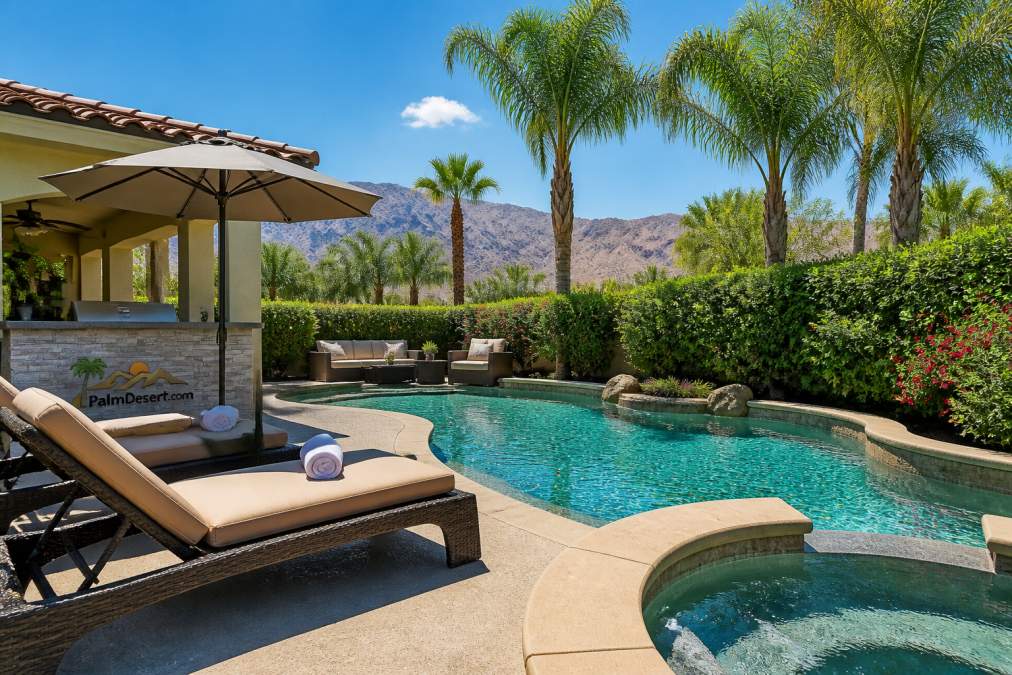
| Rental with private pool | Multi-generational travel | Pool safety supervision is on you |
Browse Palm Desert hotels and resorts for discounted rates, or compare Palm Desert vacation rental homes if you want a private pool and a full kitchen.
Book a ground-floor unit or a resort room near the pool elevator. Hauling a stroller, a cooler, and a tired toddler up a stairwell at 8 p.m. is the fastest way to end a good day badly.
Build the Days: An Itinerary for a Family Vacation in Palm Desert
An itinerary for a family vacation in Palm Desert should front-load outdoor time before 10 a.m., then retreat to water or air conditioning. That single rule shapes every schedule below. The second rule: every day needs a named indoor backup, because a 108-degree afternoon is not a good time to start searching for one.
Sample 3-Day and 4-Day Family Schedule
Day 1, Arrival and orientation. Land, check in, and do a supply run before anything else (see the logistics section below). Late afternoon: pool time while the sun drops. Dinner early, near the resort, and everyone in bed on local time. Do not schedule a hike on arrival day; kids who have been in a car or plane all day wilt fast in dry heat.
Day 2, Mountains in the morning, water in the afternoon. Leave by 7:30 a.m. for the aerial tramway up to the mountain station, where temperatures run dramatically cooler than the valley floor and short, shaded walking paths let kids burn energy without heat exposure. Ride down before lunch. Afternoon: pool or a resort activity. Evening: a short paved stroll and dessert.
Day 3, Indoor peak-heat block. Save the hottest hours for a children’s museum, an art museum with a hands-on family wing, or a resort kids’ club. Mid-morning, squeeze in one flat, paved nature walk before the heat builds. Afternoon nap or quiet time is not optional here, it is what makes the evening work. Establishing these consistent rhythms of rest and activity provides a reliable foundation for traveling with kids, whether you are navigating the desert heat or venturing further afield.
Day 4 (optional), Choose your own adventure. Option A: an early start toward a national park entrance, with a picnic packed and a hard turnaround time of 11 a.m. Option B: a slow resort day, pool, lawn games, an early dinner, before departure. Families with toddlers usually get more out of Option B.
How to Pace the Day Around the Heat
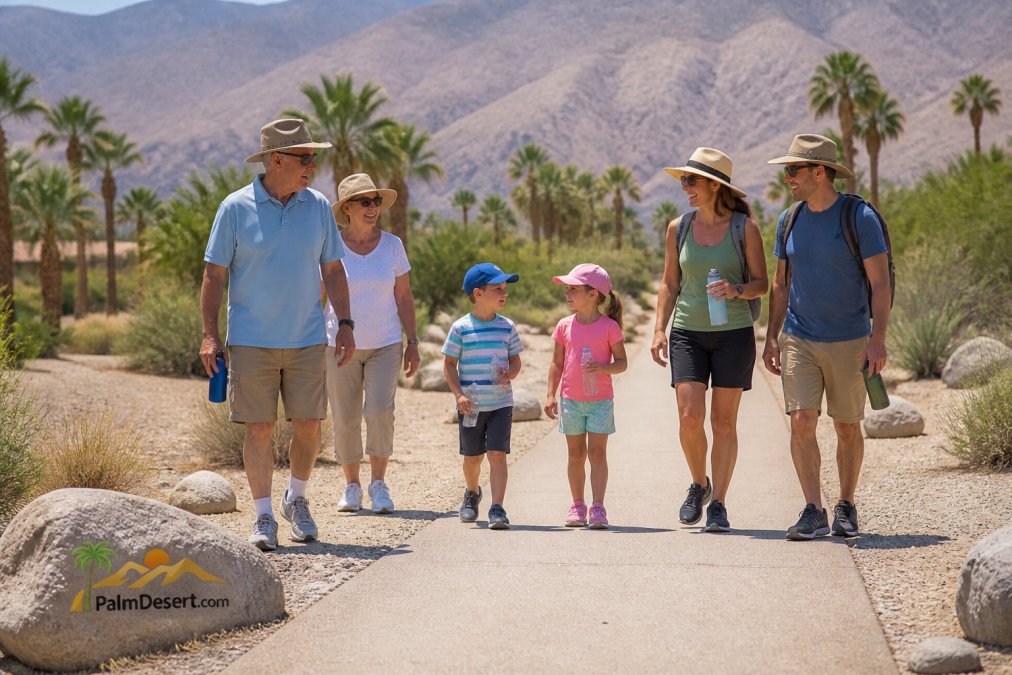
- 6:30-10 a.m.: Outdoor window. Trails, scenic drives, playgrounds, breakfast on a patio.
- 10 a.m.-4 p.m.: Indoor or water window. Museums, arcades, resort pools, movies, naps.
- 4-7 p.m.: Second outdoor window. Pools again, easy walks, mini golf, dinner outside.
- After dark: The most comfortable hours of a summer day. Use them.
Meal and Rest Logistics That Keep the Schedule Intact
Book dinner reservations for the 5-6 p.m. window if you have young kids; popular family restaurants fill that slot first. Keep breakfast in your unit or at a resort buffet so you can hit the outdoor window by 7:30 a.m. Carry snacks and a full cooler in the car at all times, the gap between “kid is fine” and “kid is melting down” in desert heat is short. Build one unscheduled half-day into any trip longer than three days; it absorbs a late night, a cranky morning, or a surprise heat advisory without wrecking the rest of the plan.
Do not schedule a mid-afternoon hike between June and September. Heat illness in children escalates quickly, and trails offer almost no shade. Move that hike to sunrise or drop it entirely.
Getting Around, Groceries, and the Logistics That Make or Break a Family Trip
This is the section most family guides skip, and it is the one that decides whether your trip runs smoothly. Rental cars remain the most practical option for families here, because attractions, trailheads, and grocery stores sit miles apart. Ride shares work near the main resort corridors but get thin and slow at trailheads and during event weekends. If you are flying in, reserve the car seat with the rental company in advance, availability on arrival is not guaranteed, and rideshare drivers are not required to provide one.
Where to Buy Supplies on Arrival
Do one big grocery run in your first two hours, before you unpack anything else. A single trip covers:
Book Hotels with Exclusive Discounted Rates Now →
- Water: Plan on more than you think. A common pattern is one gallon per person per day in summer, plus refillable bottles for the car.
- Diapers and wipes: Buy a full trip’s supply at once. Resort shops stock them at a premium and in limited sizes.
- Sunscreen and hats: SPF 30 or higher, plus a wide-brim hat per child. Reapply every two hours.
- Breakfast and snacks: Cereal, fruit, yogurt, granola bars. Cutting one restaurant meal per day saves both time and money.
- Cooler basics: Ice, refillable bottles, and easy cold snacks for the car.
The Car Setup That Saves Your Afternoon
Keep a cooler in the trunk with water and cold snacks at all times. Store a spare set of kids’ clothes, a towel, and a sunshade in the car, parked cars here get dangerously hot, so never leave a child or pet inside, even briefly. Keep sunscreen in the door pocket so you reapply at the trailhead instead of at home.
Getting Around Without a Car
If you are staying in a walkable resort corridor, you can cover pools, restaurants, and shops on foot or by short rideshare. For anything beyond that, trailheads, national park entrances, off-property dining, plan on a car. Build 15-20 extra minutes into any drive during event weekends, when traffic on the main corridors backs up.
A Simple Daily Logistics Checklist
- Water bottles filled and cooler restocked before bed
- Sunscreen and hats staged by the door
- Indoor backup identified for the afternoon
- Dinner reservation confirmed or a backup plan chosen
- Car parked in shade if possible
The families who enjoy this trip most are the ones who treat water, shade, and rest as fixed parts of the schedule, not as things to squeeze in later.
Heat Days and Cool Mornings: Keeping Kids Safe in the Desert Climate
Heat safety is the one topic most family travel guides skip, and it is the one that decides whether your trip goes well. The desert climate here is dry, which means kids dehydrate before they feel thirsty.
- Fill water bottles the night before, every night
- Apply sunscreen before leaving, then reapply every two hours
- Plan outdoor activity before 10 a.m. or after sunset
- Identify an indoor backup for each day: museum, arcade, or resort activity
- Watch for headache, dizziness, or unusual crankiness, and cool down immediately
For current heat advisories, check the National Weather Service forecast office before each outing.
Accessibility and Stroller-Friendly Routes for Multi-Generational Travel
Stroller-friendly routes exist here, but they are not universal, so check surface and grade before committing. Paved paths, resort grounds, and many scenic drives accommodate wheels and walkers without difficulty. Trails vary widely, and sandy or rocky sections can stop a stroller cold.
Multi-generational travel works best when you split the group. Send the hikers out early, keep the stroller group on pavement, and regroup for lunch. That way nobody spends the morning waiting on somebody else’s pace.
For accessible trail guidance and current conditions, the National Park Service accessibility information is a reliable starting point.
Planning a family trip into desert heat takes more forethought than a typical vacation, and that is where good local information pays off. Visitor Center for Palm Desert & Palm Springs curates hotels, vacation rentals, attractions, and seasonal events in one place, so you can compare options and lock in dates without juggling ten browser tabs. Start with our trip planning tools, then subscribe for weekly updates before your dates arrive.
Frequently Asked Questions
What is the best time of year for a family vacation in Palm Desert?
Late fall through early spring, roughly November to April, brings the most comfortable daytime temperatures for kids and outdoor activities. Summer afternoons often climb above 100°F, so families who visit then usually plan around early mornings, indoor attractions, and pool time. Winter mornings and evenings can be chilly, so pack layers. If your schedule is flexible, aim for spring or fall to balance warm days with cooler evenings and lighter crowds.
Should we choose a resort or a vacation rental for our family?
Resorts offer pools, kids’ programming, and on-site dining, which cuts down on planning. Vacation rentals for families in Palm Desert give you more space, a kitchen for picky eaters, and laundry for longer stays. Many families mix the two: a resort for a short weekend and a rental for a week or more. Consider your kids’ ages, how much you plan to cook, and whether you want daily housekeeping before deciding.
How do we keep kids safe during extreme desert heat?
Schedule outdoor time before 10 a.m. and after 5 p.m., carry more water than you think you need, and watch for signs of heat illness like dizziness or nausea. Use hats, sunscreen, and lightweight long sleeves. On triple-digit days, shift to indoor options such as museums, aquariums, or a resort pool with shade. Never leave children or pets in a parked car, even briefly, and check that stroller surfaces are not too hot before seating a child.
How many days do we need for a family trip to the Coachella Valley?
Three to four days covers the highlights without exhausting young kids. A typical itinerary for a family vacation in Palm Desert might include one day for a scenic drive or tram ride, one for a nature walk and picnic, one for pool and resort time, and a flexible day for shopping, dining, or a short day trip. If you plan to add a national park visit, budget an extra day so travel time does not eat into the fun.