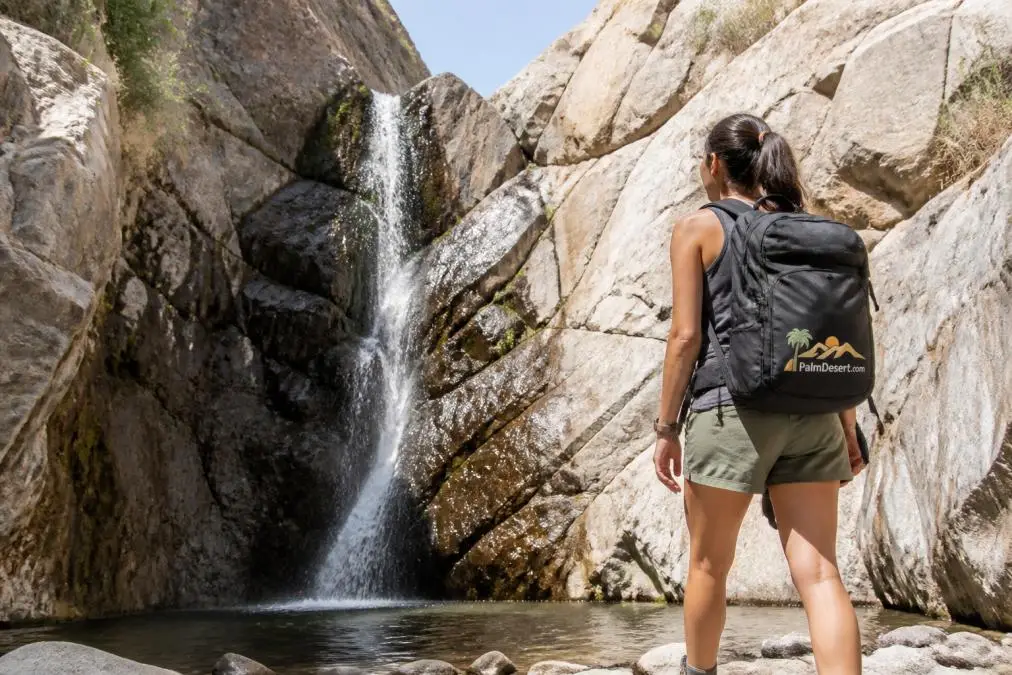
Table of Contents
- Step 1: Choose the Best Time to Visit the Desert
- Step 2: Set Your Desert Vacation Budget and Track Expenses
- Step 3: Build an Affordable Desert Vacation Itinerary
- Step 4: Find Affordable Lodging and Transportation
- Step 5: Pack Smart with a Desert Vacation Packing List
- Step 6: Use a Desert Vacation Budget Checklist Before You Go
- Step 7: Save on Meals and Activities During Your Stay
- Frequently Asked Questions
Last Updated: October 10, 2026
Step 1: Choose the Best Time to Visit the Desert
The best time to visit the desert depends on your comfort with heat, your budget goals, and practical seasonal constraints unique to desert travel. Winter months (November through March) bring mild temperatures and peak pricing, while shoulder seasons (April, September, October) offer a balance of pleasant weather and lower rates. Summer (June through August) delivers scorching heat but the lowest accommodation costs if you can handle the extreme temperatures and associated logistics.
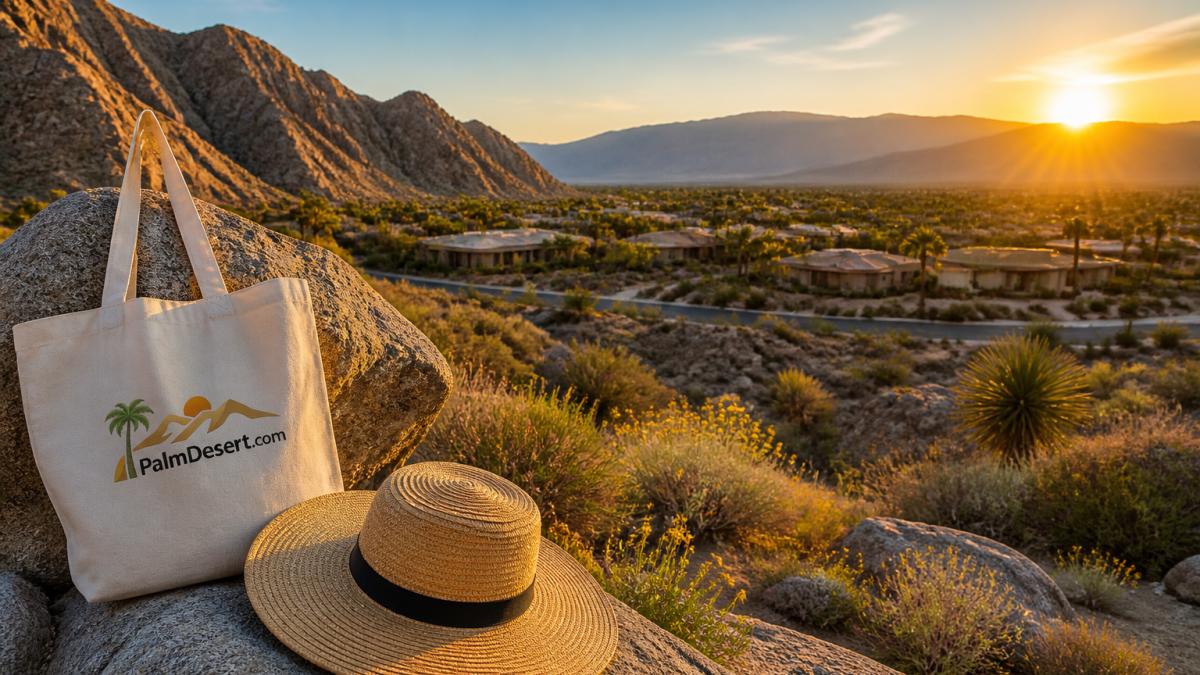
Temperature, heat safety, and seasonal extremes
Desert temperatures vary dramatically by season and time of day. Winter daytime highs range from 60-75°F, dropping to 40-50°F at night, manageable for most visitors. Spring (March-May) climbs to 85-105°F by late afternoon, with intense sun exposure and rapid dehydration risk.
If you’re visiting May through September, budget for heat-management costs: extra water (1-2 gallons per person per day outdoors), electrolyte replacements, high-SPF sunscreen, and cooling supplies. Heat exhaustion and dehydration are real risks; factor in potential medical expenses or shortened activity days if you’re not acclimated.
Seasonal facility closures and service availability
Many desert attractions, visitor centers, and services operate on seasonal schedules. Some parks reduce hours or close entirely during extreme heat (typically July-August) or occasionally during winter maintenance. Campgrounds may have limited availability or close specific loops during shoulder seasons.
Before booking, verify that your planned attractions and services are open during your travel dates. A closure discovered after arrival forces expensive last-minute itinerary changes or cancellations. Contact park visitor centers or check official websites 8-10 weeks before your trip to confirm operating schedules.
Water, fuel, and remote-area logistics by season
Desert travel requires advance planning for water and fuel, especially in remote areas. Winter offers more reliable water availability at established sources, but some remote water stations close seasonally. Summer heat increases water demand dramatically, you may need 3-4 gallons per person daily for hiking, versus 1-2 gallons in cooler months.
Fuel availability varies by location and season. Remote desert areas may have only one or two gas stations within 50-100 miles. During peak season, stations occasionally run low on fuel late in the day. In winter, some remote fuel stops reduce hours or close.
Your choice and budget impact
Your seasonal choice directly impacts what you’ll spend. Peak season rates can be 40-60% higher than off-season prices. Winter offers comfort and reliability but premium pricing. Summer offers the lowest accommodation costs but requires higher spending on water, cooling, and heat-management supplies, plus potential activity cancellations due to extreme heat.
If you’re flexible with timing, visiting during May or September saves significantly on lodging without sacrificing comfort or facing summer heat logistics. April and October work well for active outdoor itineraries; March and November suit visitors who prefer cooler temperatures and don’t mind occasional cool nights.
Book your desert vacation 6-8 weeks in advance for the best rates and to confirm seasonal operating schedules. Call park visitor centers or check official websites to verify facility hours, water availability, and any seasonal closures before finalizing your itinerary.
Step 2: Set Your Desert Vacation Budget and Track Expenses
Start by determining a total budget for your entire desert vacation. Most visitors allocate funds across accommodation, transportation, meals, activities, and contingencies. Breaking this down prevents overspending in one category that derails your whole trip.
Create a simple spreadsheet or use a budgeting app to track each expense category. List your estimated costs for:
- Accommodation (nightly rate × nights)
- Transportation (flights, gas, parking, or rental car)
- Meals and dining
- Activities and attractions
- Emergency buffer (10-15% of total budget)
This desert vacation budget approach keeps you accountable. Review your actual spending weekly against estimates and adjust future bookings accordingly.
The most common budget mistake is underestimating meals and activities. Set aside at least 30% of your total budget for these two categories combined.
Step 3: Build an Affordable Desert Vacation Itinerary
Balance paid attractions with free outdoor exploration
Your desert vacation itinerary doesn’t require expensive paid attractions to be memorable. Mix low-cost or free activities with a few paid experiences. Free options include hiking trails, scenic drives, sunrise viewing, and picnicking in designated areas.
Research what your destination offers at no cost. Many desert regions have stunning natural landscapes, wildlife viewing opportunities, and scenic overlooks accessible without entry fees. Spend your activity budget on one or two signature experiences rather than trying to do everything.
Plan activities by time of day to manage heat and costs
Schedule outdoor activities during early morning or late afternoon when temperatures drop. This approach saves on water purchases, reduces heat-related discomfort, and often aligns with lower-priced activity times. Many attractions offer discounted admission during off-peak hours.
Evening activities, stargazing, sunset viewing, outdoor dining, cost little to nothing while delivering memorable experiences. Midday hours work best for indoor or shaded activities like museums or shopping, which naturally cost more but keep you cool.
Step 4: Find Affordable Lodging and Transportation
Compare hotel rates, vacation rentals, and camping options
Your accommodation choice makes the biggest impact on your desert vacation budget. Hotels offer convenience but premium pricing. Vacation rental homes provide more space and kitchen access, reducing meal costs.
Browse our directory of Palm Desert hotels and resorts for exclusive discounted rates. If you prefer extra privacy and a private pool, explore Palm Desert vacation rental homes for your stay.
Compare nightly rates across all three before deciding. Factor in what’s included: parking, Wi-Fi, kitchen access, or breakfast. A slightly pricier rental with kitchen facilities often costs less overall than a cheaper hotel where you eat every meal out.
Camping and dispersed camping trade-offs
Campgrounds in and near desert parks offer competitive nightly rates depending on location and amenities. Established campgrounds provide water, restrooms, and sometimes electrical hookups.
Dispersed camping on public lands (Bureau of Land Management or National Forest land) can be a low-cost option and requires no reservation, but offers no water, restrooms, or services.
RV camping costs more than tent camping but includes vehicle hookups and comfort. Budget for RV sites with full hookups in desert areas, and consider dry camping (no hookups) as a more budget-friendly option.
Park fees, permits, and reservation requirements
Many desert parks charge entrance fees or per-person day-use fees. Some parks offer annual passes that cover unlimited entry for a year, worthwhile if you plan multiple desert trips.
Book Hotels with Exclusive Discounted Rates Now →
Timed-entry reservations are increasingly required at popular desert parks, especially during peak season. These reservations are often free but must be obtained days or weeks in advance through official park websites.
Camping permits and backcountry permits are required for overnight stays in many parks and wilderness areas. Permit fees range from free to $25 per night, and popular permits sell out weeks in advance.
Remote-area fuel and water logistics
Desert travel often involves long distances between services. Plan your route to identify fuel stations, water sources, and resupply opportunities. Remote desert areas may have only one gas station within 50-100 miles, and prices are often 20-40% higher than urban pumps.
Water availability varies by location and season. Established campgrounds and visitor centers provide potable water, but remote areas may have no reliable source.
Cell phone coverage is spotty or nonexistent in many desert areas. Inform someone of your itinerary and expected return, and consider carrying a satellite communicator or personal locator beacon if traveling to remote regions.
Book transportation early and consider road-trip savings
Booking flights 4-6 weeks ahead typically yields better fares than last-minute purchases. If you’re driving, calculate gas costs and compare against flight-plus-rental-car pricing. Road trips often cost less for groups or families, especially when you pack meals and snacks.
Consider alternative transportation like buses or shared rides if you’re traveling solo. These options reduce your per-person transportation cost significantly.
If you don’t drive or prefer not to rent a car, some desert destinations are accessible via public transit, guided tours, or shuttle services. Ask your accommodation about local transportation options and shuttle availability.
Park fees, permits, and timed-entry reservations can add to your trip cost. Research and book these requirements 8-10 weeks in advance to avoid last-minute scrambling, unexpected closures, or inability to access your planned attractions.
Step 5: Pack Smart with a Desert Vacation Packing List
Packing efficiently prevents expensive last-minute purchases at your destination. Bring sun protection (sunscreen, hat, sunglasses), lightweight clothing, sturdy hiking shoes, and reusable water bottles. These items cost more to buy on-site.
Include a basic first-aid kit, medications, and any specialty items you need. Desert climates are dry, pack lip balm, moisturizer, and extra socks for hiking. Bring snacks from home rather than buying them at tourist shops where prices are marked up.
Pack layers even in warm months. Desert temperatures drop dramatically at night. A light jacket or sweater prevents you from buying expensive outerwear at your destination.
Step 6: Use a Desert Vacation Budget Checklist Before You Go
Review this checklist before finalizing your desert vacation plans:
- Total budget set and broken into categories
- Accommodation booked with best available rate
- Transportation arranged 4-6 weeks in advance
- Free and low-cost activities identified
- Paid attractions prioritized (maximum 2-3)
- Meals planned with mix of dining out and self-catering
- Desert-appropriate items packed (sunscreen, water bottles, layers)
- Emergency fund allocated (10-15% buffer)
- Weather forecast checked for your travel dates
- Park fees or permits researched and reserved
This desert vacation budget checklist ensures you haven’t overlooked major expense categories. Checking items off builds confidence that your trip is realistic and well-planned.
Forgetting to check park fees and permits can derail your budget. Some desert attractions require advance reservations or daily passes. Discover these requirements early so you can adjust your itinerary without scrambling last-minute.
Step 7: Save on Meals and Activities During Your Stay
Eat breakfast at your accommodation or pack it yourself. Hotel breakfast markups are substantial. Lunch at casual spots costs less than dinner at the same restaurants.
Pack a cooler with snacks, sandwiches, and drinks for full days outdoors.
For activities, look for combo passes or multi-day tickets that bundle attractions. Many desert destinations offer discounted passes covering several attractions.
Participate in free evening events if available. Many communities host outdoor movies, concerts, or markets during peak seasons. These experiences cost nothing and connect you with locals.
Frequently Asked Questions
How do you plan a desert vacation on a budget?
Start by choosing the right travel season, setting a realistic budget, and booking accommodations and transportation in advance. Build an itinerary that mixes paid attractions with free outdoor exploration, and use a checklist to track all expenses. Pack strategically to avoid emergency purchases, and look for meal deals and activity discounts. Planning ahead gives you the most control over costs.
What should you include in a desert vacation budget checklist?
Your desert vacation budget checklist should cover lodging, transportation, meals, entrance fees for parks and attractions, activities, travel insurance, and miscellaneous expenses. Include water and sunscreen as separate line items since these are essential in the desert. Track booking confirmations, reservation numbers, and estimated costs for each category. A written checklist prevents forgotten expenses and helps you stay within your overall budget.
When is the best time to visit the desert for budget travelers?
The shoulder seasons, late fall and early spring, offer the best combination of lower prices and comfortable weather. Summer brings extreme heat and some price reductions, but requires more spending on cooling and water. Winter is peak season with higher lodging costs. Weekday travel typically costs less than weekends. Check local event calendars to avoid peak booking periods that drive up accommodation prices.
How can you save on lodging for a desert vacation?
Compare hotel rates, vacation rental homes, and camping options based on your comfort level and group size. Vacation rental homes with kitchens can reduce meal costs. Book early for better rates, and consider staying slightly outside major tourist areas. Look for package deals that bundle lodging with activities. Sign up for loyalty programs or email lists to catch early-booking discounts and seasonal promotions.
Planning a desert vacation on a budget is entirely achievable with advance preparation and smart choices. The Visitor Center for Palm Desert & Palm Springs provides curated information on local accommodations, dining, and regional events to simplify your planning. Start by setting a realistic budget, booking early, and mixing paid experiences with free outdoor exploration. Your desert getaway awaits, and your wallet will thank you for the thoughtful approach.